
Decoding Nocturnal Hunger: How Rest Transforms Late-Night Cravings
Uncover the powerful connection between sleep quality and late-night cravings. Learn the science behind hormonal shifts and how to naturally support your body's balance.
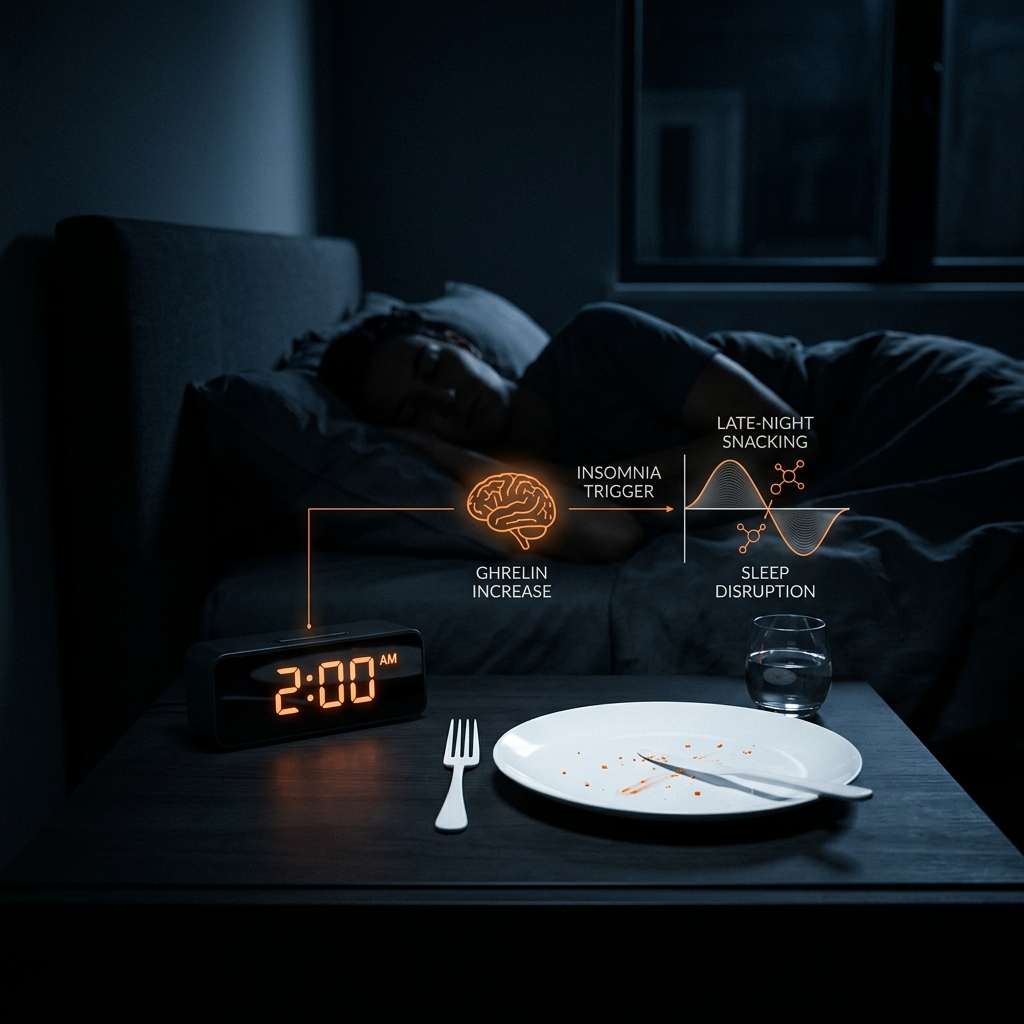
The Vicious Cycle: Understanding Late-Night Cravings
Late-night snacking is often a physiological response to disrupted sleep rather than a simple lack of willpower. When the sun goes down, our bodies naturally transition into a repair state. When that transition is interrupted, the bio-signals for hunger can go into overdrive.
Neurobiological Roots: The Dopamine Factor
Insufficient sleep can dysregulate the brain's reward pathways, making highly palatable foods (especially those high in sugar and fat) appear much more appealing. This biological shift can weaken the prefrontal cortex, which is responsible for executive function. As a result, it becomes significantly harder to resist less supportive choices when the midnight munchies strike. Supporting your body's natural homeostasis with body balancing drops can be a helpful part of navigating these challenges.
Emotional Eating: The Cortisol Connection
Poor sleep often elevates cortisol, a key stress hormone. This increase in baseline stress does not just keep you awake. It can also drive a biological preference for energy-dense comfort foods. This creates a challenging cycle where stress leads to poor sleep, which encourages emotional eating, which can further disrupt your sleep architecture over time.
Defining Rest: Quantity vs. Quality
While 7 to 9 hours is the standard duration for adults, the quality of that rest is equally vital. Restorative sleep requires moving through complete cycles of REM and slow-wave sleep. These phases are critical for regulating metabolic hormones and washing the brain of byproducts that can impair clear decision-making the following day.
The Science of Slumber: Hormone Signals
Sleep disruption creates a cascade of effects throughout the body. It fundamentally alters how we process fuel and perceive hunger cues.
Ghrelin and Leptin: The Hunger See-Saw
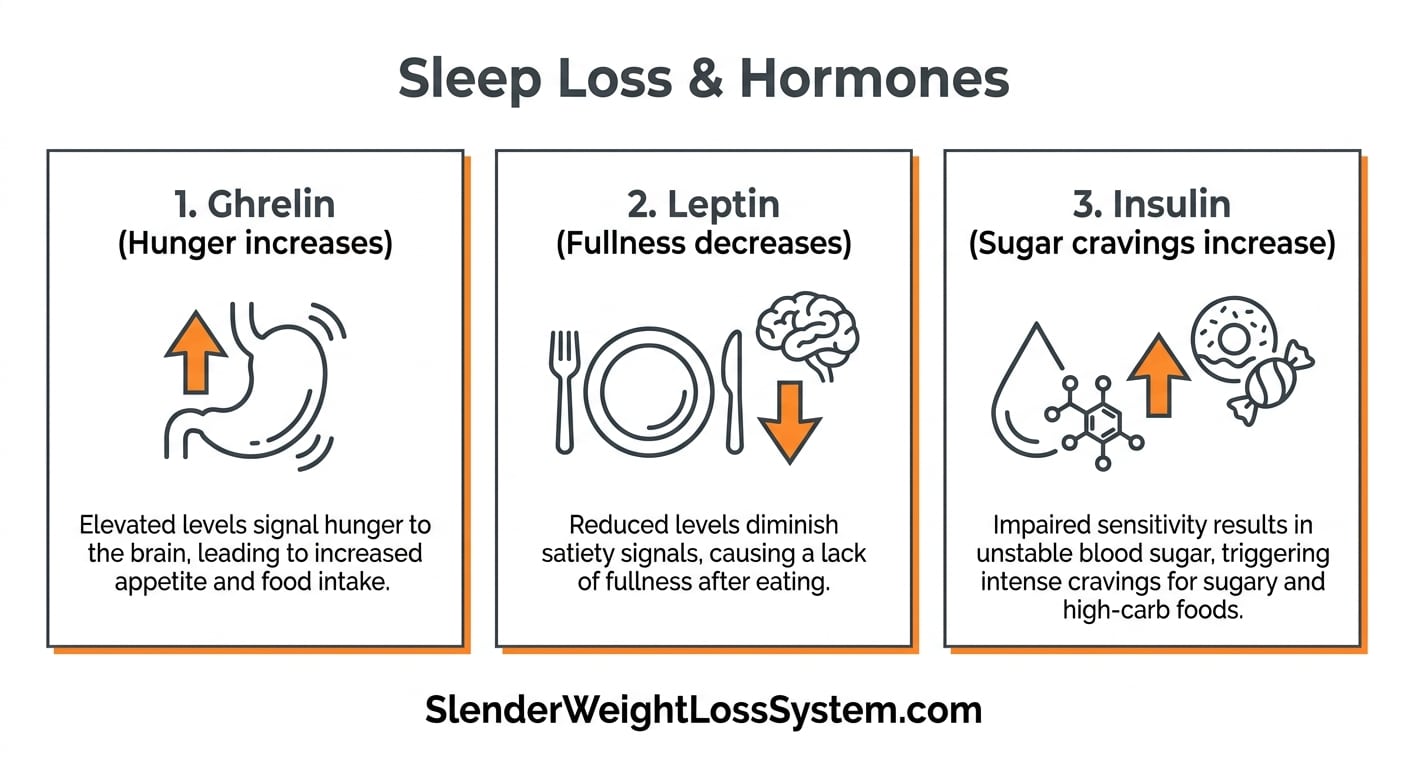
Sleep deprivation is a metabolic disruptor. Research indicates that short sleep duration systematically increases levels of ghrelin (the hormone that tells you to eat) and decreases levels of leptin (the hormone that signals satiety). This creates a perfect storm where you may feel hungrier even if you have consumed adequate calories.
Insulin Sensitivity and Blood Sugar
Even a single night of poor rest can influence how your body handles sugar. This can lead to less efficient glucose processing, causing higher blood sugar levels followed by sharp crashes. These fluctuations often trigger urgent cravings for quick-energy sources. If you find yourself struggling with the urge to consume high-carb evening snacks, finding ways to stop sugar intake can be incredibly beneficial. For those already addressing insulin resistance, maintaining consistent sleep is particularly crucial.
The Gut-Brain Axis: Microbial Links
Emerging research shows that sleep patterns can directly alter the composition of our gut microbiota. A disrupted circadian rhythm negatively impacts beneficial gut bacteria, which in turn influences mood and appetite regulation via the gut-brain axis. Your "gut feeling" for snacks might actually be a signal from a stressed microbiome.
Practical Strategies for Chrononutrition
Chrononutrition is the practice of aligning your eating patterns with your body's natural circadian rhythm to help optimize metabolic health and suppress unwanted cravings.
Mastering Sleep Hygiene
- Maintain a consistent sleep schedule, even on weekends.
- Establish a calming pre-sleep routine free of blue light.
- Incorporate mindful relaxation or meditation before bed.
Optimal Timing
- Consider front-loading your calories earlier in the day.
- Try to avoid heavy meals 3 hours before bed.
- Keep consistent meal windows to help regulate your cortisol rhythm.
Macronutrient Balance for Rest
A balanced intake of proteins, healthy fats, and complex carbohydrates supports stable blood sugar throughout the night. Incorporating tryptophan-rich foods like turkey, seeds, or oats can aid in natural melatonin production. Conversely, heavily processed sugars late in the evening can act as a stimulant, potentially worsening the cycle of wakefulness and hunger.
Download Our Quick Reference Guide
Keep these vital hormonal concepts handy with our printable chart.
Frequently Asked Questions
How does poor sleep increase my appetite?
Inadequate rest disrupts two key hormones: ghrelin and leptin. It raises ghrelin, which signals hunger, and lowers leptin, which tells your brain you are full, making you feel hungrier than you actually are.
Can better sleep reduce my sugar cravings?
Yes, getting quality sleep helps stabilize your blood sugar and improves insulin sensitivity. When your blood sugar is stable, your body is less likely to trigger urgent cravings for quick, sugary energy.
What is chrononutrition?
Chrononutrition is the concept of timing your meals to match your body's natural circadian rhythm. By eating in harmony with your internal clock, you can better support digestion, hormone balance, and sleep quality.
Why do I crave high-fat foods when I'm tired?
Sleep deprivation alters the brain's dopamine reward centers and slightly impairs the prefrontal cortex, which controls decision making. This combination makes calorie-dense, high-fat foods seem much more rewarding and harder to resist.
How long before bed should I stop eating?
From our research and wellness experience, it is generally beneficial to avoid heavy meals for about 2 to 3 hours before going to sleep. This gives your body time to digest, allowing it to focus on repair rather than processing food during the night.