
Low-Grade Chronic Inflammation: The Silent Root of Many Diseases
Uncovering the hidden immune response that shapes our long-term health, vitality, and metabolic resilience.

Understanding Chronic Inflammation
Unlike the immediate, visible response of acute inflammation (such as the redness and swelling around a cut), low-grade chronic inflammation is a persistent systemic immune response that often operates unnoticed. It is a slow-burning fire that over time can contribute to significant health challenges.
When inflammation becomes dysregulated, it transitions from a protective mechanism into a destructive one. This state of constant readiness causes the immune system to inadvertently damage healthy tissues, leading to cumulative cellular stress and metabolic dysfunction.

Major Contributing Factors
Chronic inflammation does not occur in a vacuum. It is often the result of cumulative lifestyle choices and environmental exposures.
Dietary Influences
What we consume is perhaps the most direct modulator of our inflammatory status. Diets high in refined sugars, trans fats, and ultra-processed foods are known to trigger inflammatory pathways, which is why integrating a targeted advantage supplement can be highly effective. Conversely, anti-inflammatory eating that prioritizes whole foods like leafy greens, berries, fatty fish, and nuts provides the body with the phytonutrients needed to dampen systemic stress.
Lifestyle & Environment
Beyond nutrition, factors such as sedentary behavior, chronic sleep deprivation, and exposure to environmental toxins add to the inflammatory burden. Psychological stress is also a potent trigger because the brain-immune axis responds to mental strain by releasing pro-inflammatory cytokines.
The Gut-Immune Connection
The digestive system houses a significant portion of our immune cells. A balanced gut microbiome acts as a gatekeeper that helps block toxins from entering the bloodstream. When gut health is compromised, leaky gut can lead to systemic immune activation. Adopting a comprehensive metabolic approach, such as the slenderiiz program, can help restore the natural homeostasis required for optimal gut function.
"Cultivating true wellness is not about a single magic pill; it is the synergy of balanced nutrition, consistent physical activity, and intentional stress reduction that creates an environment where inflammation recedes and health flourishes."
Connection to Weight Management
The relationship between inflammation and weight is bidirectional. Adipose tissue, particularly visceral fat (the fat stored around organs), is metabolically active. It functions almost like an endocrine organ by secreting inflammatory compounds known as adipokines.
This creates a difficult cycle. Excess weight promotes inflammation, and chronic inflammation can disrupt the hormones responsible for appetite and metabolism such as leptin and insulin. Addressing inflammation is therefore a foundational requirement for combating insulin resistance and supporting long-term metabolic health.

Strategies for Addressing Inflammation
While the concept of chronic inflammation may seem daunting, the strategies to manage it are highly effective and accessible:
- Prioritize Whole Nutrition: Focus on colorful vegetables, omega-3 fatty acids (found in salmon and flaxseeds), and high-quality lean proteins.
- Fortify Gut Health: Incorporate probiotics and prebiotic fibers to strengthen the intestinal barrier and modulate immune responses.
- Intentional Recovery: Use mindfulness, meditation, and deep breathing to lower cortisol levels and their inflammatory downstream effects.
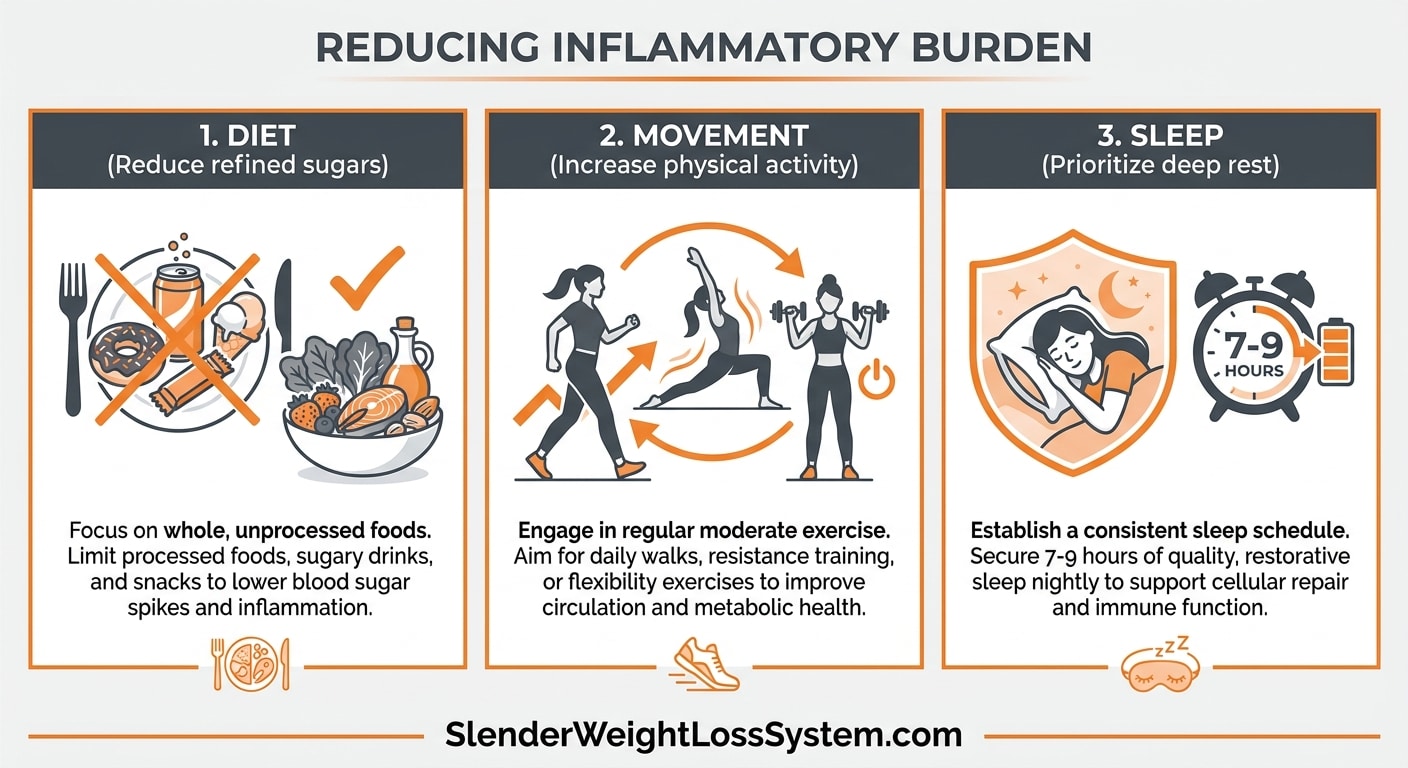
Reducing Inflammatory Burden Guide
The Path Forward
Low-grade chronic inflammation may be a silent factor, but its impact on our longevity and quality of life is profound. By taking a comprehensive approach to address the food we eat, the way we move, and how we handle stress, we can significantly reduce our inflammatory burden. These proactive measures build the essential foundation for a resilient, vibrant, and healthy future.
Frequently Asked Questions
What is low-grade chronic inflammation?
Low-grade chronic inflammation is a persistent, systemic immune response where your body continuously releases inflammatory markers. Unlike acute inflammation from an injury, it operates quietly and can contribute to long-term metabolic issues.
How does chronic inflammation affect my ability to lose weight?
Chronic inflammation can disrupt the normal functioning of hormones like insulin and leptin, which control appetite and fat storage. This hormonal imbalance can make it much more challenging for your body to efficiently utilize stored fat for energy.
Can reducing sugar intake help lower inflammation?
Yes, high intake of refined sugars can trigger inflammatory pathways and spike insulin levels. Managing your sugar consumption is a highly effective way to support your body's natural anti-inflammatory processes.
What role does sleep play in managing inflammation?
Deep, restorative sleep is when your body undergoes vital cellular repair and balances cortisol levels. Chronic sleep deprivation can elevate stress hormones, which in turn promotes systemic inflammation.
How can I tell if I have systemic inflammation?
While it is often silent, common signs include persistent fatigue, joint discomfort, brain fog, and difficulty managing weight. Maintaining a healthy lifestyle through diet, movement, and proper supplementation supports overall metabolic resilience.