The Science of pH Balance: How an Alkaline Body Fuels Health
Explore the intricate mechanisms of systemic equilibrium and discover how maintaining an alkaline environment promotes sustained energy and cellular vitality.

Understanding pH: The Foundation of Body Balance
The concept of pH balance is frequently discussed in wellness circles, but its biological foundation is rooted in rigorous scientific research. pH, or "potential of hydrogen," is a logarithmic scale ranging from 0 to 14 that measures the concentration of hydrogen ions in a solution. A value below 7 indicates acidity, while a value above 7 indicates alkalinity.
Our bodies are masterpieces of regulation. To sustain life, internal fluids must maintain specific pH levels. From our research, we understand that supporting this delicate homeostasis is the foundation of long-term wellness.
- Blood Plasma: 7.35 to 7.45
- Stomach Acid: 1.5 to 3.5
- Saliva: 6.7 to 7.4
- Urine: 4.5 to 8.0
Precision Regulation Systems
The body employs two primary organs to maintain this balance. The lungs provide a rapid response by regulating carbon dioxide expulsion, which directly affects carbonic acid levels in the blood. Conversely, the kidneys act as potent, long-term regulators, excreting excess acids or bases and reabsorbing bicarbonate into the system.
The Cellular Impact: Why Alkalinity is Crucial
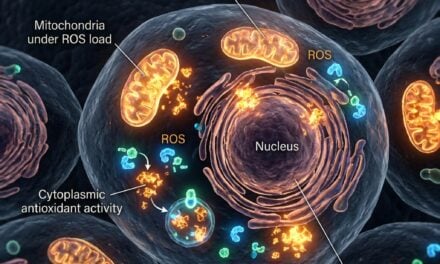
Every metabolic pathway in your body is pH-sensitive. From the way oxygen hitches a ride on hemoglobin to the production of ATP in your mitochondria, systemic balance is the silent conductor of the health orchestra.
If you are exploring ways to support this critical function at the microscopic level, taking a holistic approach like the slenderiiz system can help encourage your body's natural metabolic equilibrium.
The Bohr Effect
pH levels dictate oxygen efficiency. In a balanced systemic environment, hemoglobin's affinity for oxygen is optimized, supporting efficient cellular respiration across all tissues.
Mitochondrial Health
Mitochondria, the powerhouses of the cell, require an optimal pH to run the electron transport chain. Maintaining balance helps maximize ATP production and can help provide sustained energy throughout your day.
Beyond Diet: Lifestyle Influences

While nutrition is vital, pH balance is influenced by more than just what is on your plate. It is the net metabolic residue that matters. Most plant-based foods, despite their initial acidity (like lemons), leave an alkaline-forming residue after digestion.
"True wellness isn't found in a single habit, but in the synergy of diet, stress management, and restorative sleep, all working together to support the body's natural buffering capacity."
Chronic stress alters breathing patterns, causing carbon dioxide retention that can subtly shift the body toward an acidic state. Managing stress through mindfulness and meditation is an important practice to help preserve your metabolic reserves.
For more insights on how external factors impact your internal environment, read our guide on understanding cellular toxicity and metabolic barriers.
Debunking Myths & Practical Steps
A common misconception is that tracking urine pH provides a definitive map of systemic health. In reality, urine pH fluctuates based on the body's success in filtering and removing acid. A significant shift in blood pH is a medical issue, whereas urine pH is simply a reflection of recent metabolic filtration. You can learn more about the scientific literature surrounding dietary acid loads and alkaline health to understand these mechanisms fully.
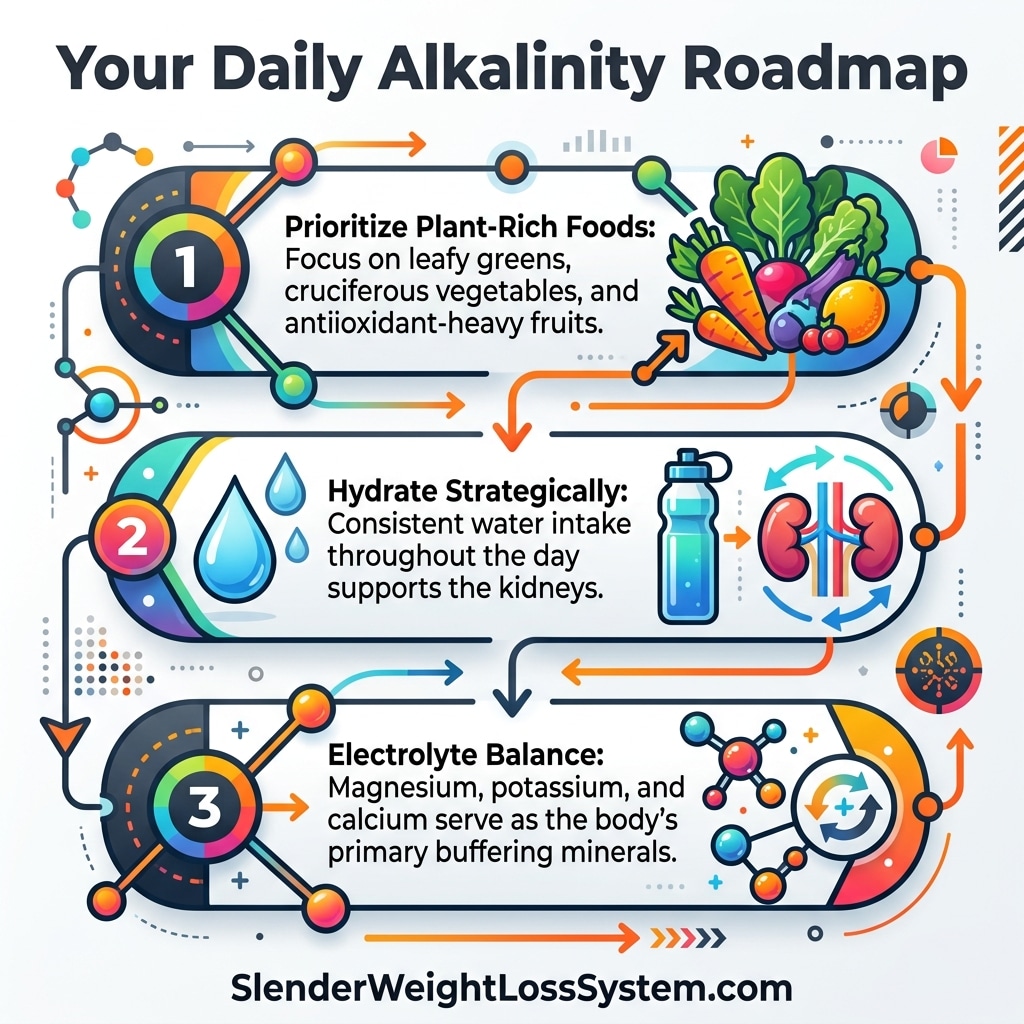
Actionable Steps for Systemic Balance
By focusing on these foundational habits, you promote cellular resilience and assist your body's natural regulatory systems. For those seeking advanced nutritional bridging, integrating a premium renew supplement can be an excellent way to support optimal recovery and cellular vitality.
Quick Reference Guide
Frequently Asked Questions
What does it mean to have an alkaline body?
Having an alkaline body does not mean changing the pH of your blood, which is strictly regulated by the kidneys and lungs. Instead, it refers to reducing the metabolic acid load on your body so those regulatory organs don't have to work as hard to maintain systemic homeostasis.
How does stress affect pH balance?
Chronic stress can alter your breathing patterns (often resulting in shallow breathing) which retains carbon dioxide in the blood. This excess CO2 forms carbonic acid, subtly shifting your internal environment and increasing the buffering workload on your body.
Are acidic fruits like lemons bad for pH balance?
No, in fact, many acidic fruits have an alkalizing effect on the body. While a lemon is highly acidic in its natural state, the metabolic residue it leaves behind after digestion and assimilation actually yields alkaline-forming minerals.
Can alkaline water improve my metabolism?
While staying hydrated is crucial for metabolic function and helps the kidneys flush out waste, there is limited scientific evidence that drinking alkaline water significantly alters your systemic pH over the long term. A balanced, whole-food diet is far more effective.
Why is the Bohr Effect important for energy?
The Bohr Effect describes how hemoglobin releases oxygen more readily in slightly acidic environments (like active muscle tissue). However, maintaining a balanced systemic pH ensures this oxygen-delivery system operates at peak efficiency, helping to reduce fatigue and supporting cellular energy.