
Insulin Resistance: Addressing the Metabolic Barrier to Sustainable Weight Loss
Understanding the hidden biological factors that dictate your metabolic journey. Discover how you can address cellular resistance, stabilize your energy, and unlock your body's natural potential for sustainable, long-term weight management.

Understanding the Core Problem
The Role of Insulin
Insulin acts as the primary key for your metabolism. Produced by the pancreas, it regulates blood sugar by unlocking cells to receive glucose for immediate energy or storage. Optimal insulin function is the cornerstone of metabolic health and efficient energy management.
Cellular Dysfunction Explained
Insulin resistance occurs when your cells, primarily in the muscles, fat, and liver, stop responding efficiently to the signal from insulin. To compensate, the pancreas works overtime to produce even more insulin. This chronic elevation of insulin signals the body to store fat and makes utilizing stored energy much more challenging.
The Continuum
Insulin resistance is not a simple switch but a spectrum. If unaddressed, it can progress from subtle metabolic sluggishness to prediabetes and eventually type 2 diabetes. According to the National Institute of Diabetes and Digestive and Kidney Diseases, recognizing these signs early is a powerful step toward managing your health.
Unmasking the Silent Threat
Lifestyle Contributors
Diets saturated with refined carbohydrates and ultra-processed foods force the body into a cycle of rapid blood sugar spikes. This exhausts cellular sensitivity over time.
Environmental Factors
Emerging research on environmental chemicals shows they can disrupt delicate metabolic signaling pathways and drive chronic inflammation.
Hormonal & Sleep Connections
Conditions like poor sleep create a vicious cycle that disrupts hormonal balance and significantly elevates the risk of severe insulin resistance.
Inherited Risk
While genetics play a role, your lifestyle significantly influences whether those genes are expressed. Family history acts as a guide rather than a strict destiny.

A Holistic Approach to Health
The human body is highly adaptable. By utilizing targeted holistic interventions, you can support your cellular sensitivity and metabolic pathways.
Dietary Strategies
- •Low Glycemic Load: Focus on whole foods to help stabilize glucose.
- •Soluble Fiber: Slows sugar absorption and supports satiety.
- •Healthy Fats & Proteins: Essential nutrients for a balanced diet.
- •Intermittent Fasting: May encourage metabolic flexibility.
Physical & Lifestyle
- •Resistance Training: Builds a healthy foundation in your muscles.
- •Consistent Movement: Stay active throughout the day.
- •Stress Management: High stress negatively impacts insulin sensitivity.
- •Sleep Hygiene: 7 to 9 hours of quality rest is highly recommended.
The Slenderiiz System Integration
Supporting metabolic balance often requires a multi-faceted approach. Integrating our body balancing drops can support your body's natural processes when paired with a clean diet and consistent exercise. For those particularly focused on managing their cravings, adding sugar stop into your routine may provide additional dietary support.
Beyond weight loss, health is a comprehensive journey. What we've found on cellular toxicity is another critical piece of the puzzle worth exploring when building a resilient foundation for long-term wellness.
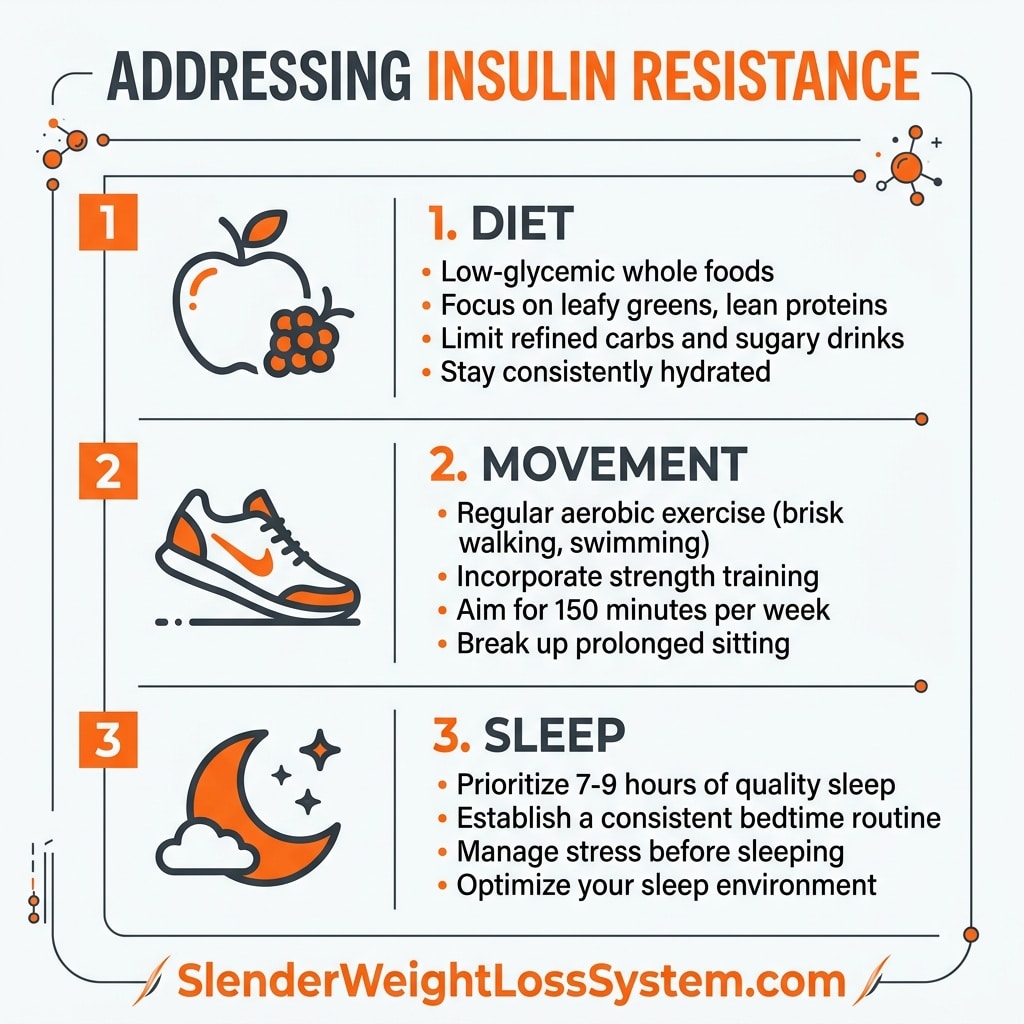
Visual Guide: Mastering Metabolic Balance
A quick reference guide summarizing the core pillars of cellular insulin sensitivity and weight management.
Frequently Asked Questions
What are the early signs that I might have insulin resistance?
Early signs can be subtle and often include feeling fatigued after meals, experiencing frequent sugar cravings, and noticing an increase in abdominal fat. Some individuals may also develop dark patches of skin on their neck or armpits, known as acanthosis nigricans. If you suspect you have these symptoms, consulting a healthcare provider for blood work is a great next step.
Can changing my diet alone improve my insulin sensitivity?
Yes, nutrition is one of the most powerful tools for supporting healthy insulin levels. Focusing on whole, low-glycemic foods, increasing soluble fiber, and reducing ultra-processed carbohydrates can significantly stabilize your blood sugar. However, combining diet with regular physical activity usually yields the best results for long-term metabolic health.
How does stress affect my body's ability to manage blood sugar?
Chronic stress triggers the release of cortisol, a hormone that naturally raises your blood sugar to provide immediate energy for a "fight or flight" response. When stress is constant, blood sugar remains elevated, prompting your body to produce more insulin, which can eventually lead to cellular resistance over time. Managing stress through mindfulness or moderate exercise is crucial for metabolic balance.
Is it possible to have insulin resistance without being overweight?
Absolutely. While excess weight is a common contributor, individuals with a normal body mass index can still develop insulin resistance. Factors like genetics, poor sleep hygiene, chronic inflammation, and a sedentary lifestyle play significant roles regardless of your outward physical appearance.
How long does it take to see improvements in my metabolic health?
The timeline varies for everyone based on their unique biology and adherence to lifestyle changes. Many people notice more stable energy levels and fewer cravings within just a few weeks of modifying their diet and exercise routine. For deeper cellular changes and measurable improvements in blood work, it typically takes a few months of consistent, healthy habits.
"The information provided in this article is for educational purposes only and is not intended as medical advice. Always consult with a qualified healthcare professional before making significant changes to your diet, exercise routine, or supplementation, especially if you have underlying health conditions."