
Thermogenesis: Increasing Calorie Burn at Rest
How can you naturally support your metabolism without relying on constant, exhausting exercise?

Understanding Your Body's Internal Furnace
Thermogenesis stands as a cornerstone of human physiology, working as the quiet engine behind your daily energy expenditure. The better you understand it, the more effectively you can align your fat-burning approach with your body's natural rhythms, whether through food choices, exercise, environmental cues, or with the support of weight loss drops.
What is Thermogenesis?
At its core, thermogenesis is the production of heat within the body. It is a vital biological function that not only maintains your core body temperature but also contributes a meaningful portion to your total daily energy expenditure (TDEE). The higher your thermogenic activity, the more calories your body may burn even while you are sitting still.
Research published in PMC (PubMed Central) on adaptive thermogenesis in humans confirms that the body's heat-production mechanisms are highly dynamic and respond to dietary composition, environmental temperature, and hormonal signals in ways that directly shape resting calorie burn.
Adaptive, Non-Shivering & Thermic Effect of Food (TEF)
- Adaptive Thermogenesis: The body's dynamic adjustment of heat production in response to environmental shifts, such as cold weather or significant changes in dietary intake. This is your metabolism's way of protecting energy balance.
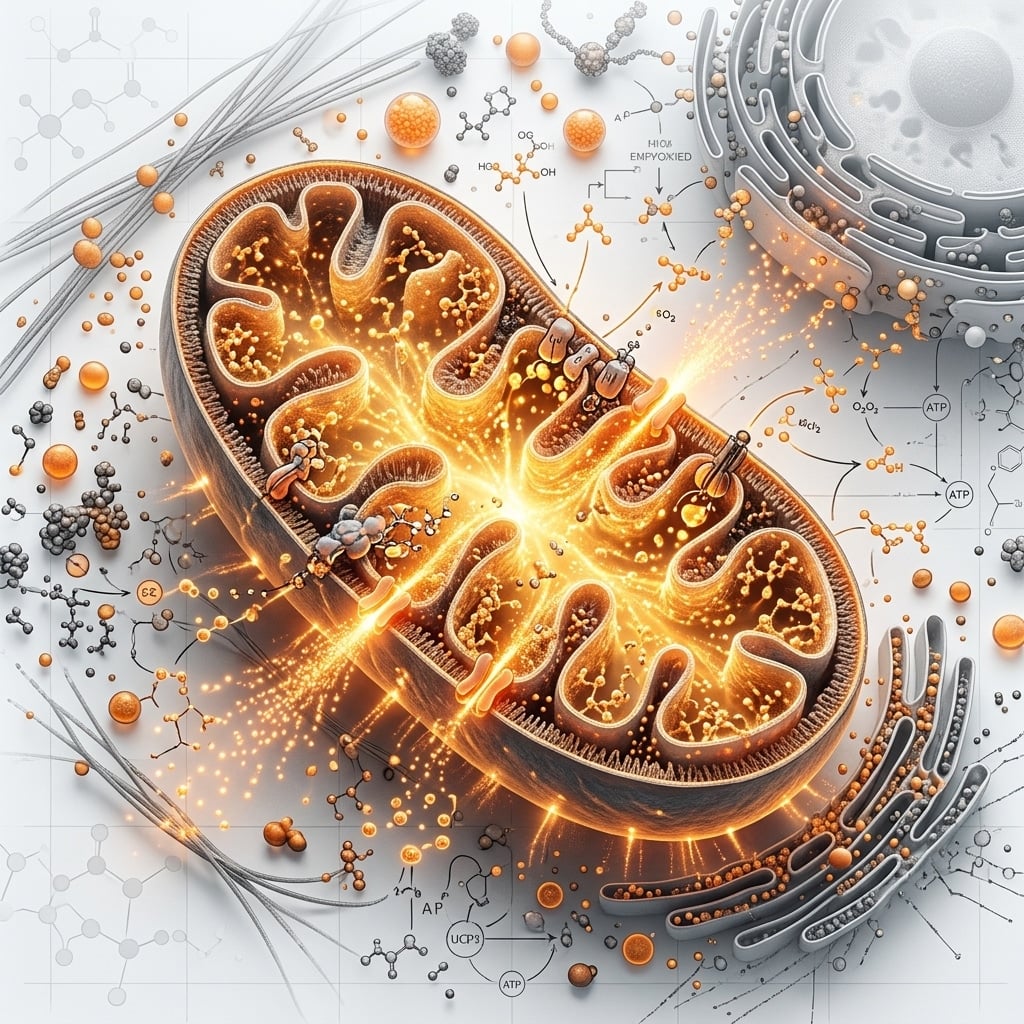
- Non-Shivering Thermogenesis: Heat generation occurring primarily in brown adipose tissue (BAT). Unlike muscle shivering, this process contributes directly to your Resting Metabolic Rate (RMR) without requiring physical movement.
- Thermic Effect of Food (TEF): The energy your body expends to digest, absorb, and metabolize nutrients. Protein has the highest TEF of the three macronutrients, meaning a protein-rich diet naturally burns more calories during digestion.
Factors Influencing Resting Metabolic Rate
Your Resting Metabolic Rate (RMR) is not static. It responds to a complex interplay of biology, environment, and daily habits that collectively determine how efficiently your body burns fuel between meals and at rest.
Epigenetics & Microbiome Connections
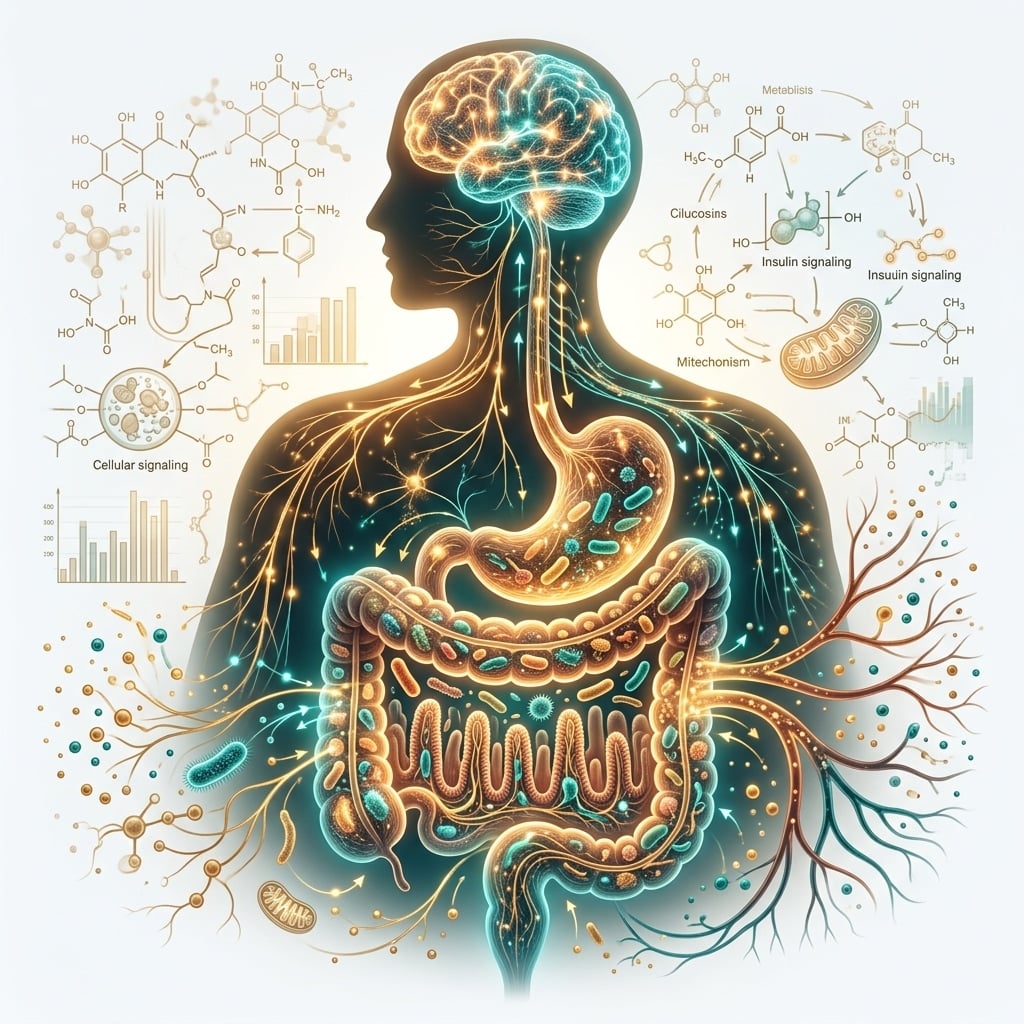
Emerging science highlights the profound impact of epigenetics: the way diet and lifestyle choices can influence how genes are expressed, including those that govern metabolic speed. Equally fascinating, the gut microbiome functions as a central metabolic hub. The specific communities of bacteria living in your digestive tract affect how you absorb nutrients, extract energy from food, and signal satiety to the brain. Disruptions to this microbial ecosystem have been linked to sluggish metabolic function in multiple studies.
If your energy feels consistently low and weight management feels harder than it should, looking at both gut health and stress-driven hormonal signals is a sensible starting point. Our post on cortisol, stress, and how they affect metabolism explores exactly how these factors interact with your RMR in a very practical way.
Hormonal Regulation: Thyroid, Adrenaline, Leptin
Hormones function as the chemical messengers of metabolism. Thyroid hormones (T3 and T4) are the primary regulators of metabolic speed, directly influencing how many calories your cells burn at rest. Adrenaline provides short bursts of elevated energy expenditure during stress or physical activity, while Leptin serves as the long-term signal that balances appetite against stored energy. When leptin signaling breaks down, hunger dysregulation and metabolic slowdown often follow.
Science-Backed Strategies to Support Thermogenesis
Supporting your thermogenic capacity does not require hours at the gym every day. Specific lifestyle interventions can prime your body to burn more calories naturally, and many of them are surprisingly accessible.
Dietary Interventions
Capsaicin
Found in chili peppers, capsaicin activates specific thermoreceptors in the body, stimulating heat production and fat oxidation. Even modest consumption may temporarily raise metabolic rate.
Medium-Chain Triglycerides (MCTs)
MCTs are metabolized more rapidly than long-chain fats, potentially increasing immediate energy expenditure and supporting a feeling of satiety that helps reduce overall caloric intake.
High-Protein Foods
Protein typically requires more energy for your body to process than other macronutrients. Prioritizing lean proteins in your diet is a simple strategy to support your body's natural thermic effect of food (TEF).
Green Tea Compounds
EGCG (epigallocatechin gallate) paired with natural caffeine may support fat oxidation and thermogenesis, according to several clinical reviews on catechins and metabolic rate.
Cold Exposure Therapy & EPOC Training
Cold Exposure, such as cold showers or brief cold-water immersion, can activate Brown Adipose Tissue (the metabolically active "good fat"), potentially supporting non-shivering thermogenesis. While more research is ongoing, consistent cold exposure is being explored as a tool for supporting your resting metabolic rate.
Additionally, EPOC (Excess Post-exercise Oxygen Consumption), sometimes called the "afterburn effect," occurs following high-intensity interval training (HIIT) or resistance training sessions. Your metabolic rate may stay elevated for hours after finishing the workout, generating additional calorie burn with zero extra effort on your part.

Supplement Synergy for Metabolic Support
Lifestyle is the foundation. Sleep quality, movement, dietary choices, and stress management form the base of any real metabolic improvement. That said, specific natural compounds and targeted nutrients can work alongside these habits to further support your body's inherent metabolic processes.
Targeted Nutrition: B-Vitamins, Biotin, and Adaptogens
Rather than relying on outdated fad ingredients, modern metabolic support focuses on cellular efficiency and hormonal balance. The Slenderiiz System (Slenderiix & Xceler8 drops) was formulated specifically to address these pathways:
- Methylcobalamin (Vitamin B12) & Biotin: Featured in the Xceler8 drops, these essential vitamins are critical for macronutrient metabolism. They help your body efficiently convert carbohydrates and fats into usable cellular energy, while supporting nervous system health to combat the fatigue often associated with weight loss.
- Adaptogenic Herbs: Also found in Xceler8, adaptogens are botanical compounds that help the body respond to and stabilize stress. As we covered earlier, managing the body's stress response is vital for keeping cortisol in check, preventing metabolic slowdown, and stabilizing mood.
- Homeopathic Support: The Slenderiix formula utilizes a pharmacopeia-approved homeopathic blend (including ingredients like Avena Sativa and Fucus Vesiculosus) designed to gently support the body's natural ability to release stored visceral and subcutaneous fat, while helping to curb cravings and flush toxins released during weight loss.
Activating Thermogenesis for a Metabolic Advantage
While baseline metabolic health is essential, targeting stubborn visceral fat around the midsection often requires a specialized approach. The AbVantage Hip & Waist Reducer is a stimulant-free formula specifically designed to activate fat-burning cells and support non-shivering thermogenesis.
It utilizes a precise, clinically studied blend of Grains of Paradise (known to help activate Brown Adipose Tissue), L-tyrosine, Chromium, and B-Vitamins (B3 & B6). By naturally increasing your resting metabolism, this exact combination has been clinically shown to help burn calories up to 10x faster—targeting visceral belly fat, helping reveal your abs, and preventing rebound weight gain so you can keep the inches off for good.
A Holistic Metabolic Framework
Real metabolic health comes from a true integration of diet, movement, quality sleep, and stress management. Targeted supplementation, like the Slenderiiz and Abvantage systems, can serve as a highly effective, complementary component within this broader framework. Always consult a qualified healthcare professional before beginning any new supplement regimen, particularly if you have an existing health condition.
Frequently Asked Questions
How does thermogenesis help with weight loss?
Thermogenesis is your body's process of generating heat, which requires burning calories. When thermogenic activity increases through diet, exercise, or environmental factors like cold exposure, your body may use more energy even at rest. This natural calorie-burning mechanism can support weight management as part of a balanced lifestyle.
What foods can naturally support thermogenesis?
Foods containing capsaicin (found in chili peppers), green tea catechins (especially EGCG), medium-chain triglycerides (MCTs), and high-protein sources all have properties that may support thermogenic activity. Protein, in particular, requires more energy for your body to digest compared to fats or carbohydrates, which is known as the thermic effect of food.
Can cold showers or cold exposure really boost metabolism?
Cold exposure may activate brown adipose tissue (BAT), a type of fat that generates heat by burning calories through non-shivering thermogenesis. While research is still evolving, studies suggest that regular, brief cold exposure can encourage BAT activity, which may contribute to a modest increase in resting energy expenditure over time.
What is the difference between brown fat and white fat?
White adipose tissue primarily stores energy as body fat, while brown adipose tissue (BAT) actively burns calories to produce heat. Brown fat is rich in mitochondria and plays a central role in non-shivering thermogenesis. Supporting BAT activity through cold exposure and proper nutrition may help your body's natural energy expenditure processes.
Does the gut microbiome affect how many calories I burn?
Emerging research suggests that gut bacteria influence nutrient absorption, energy extraction from food, and signals related to appetite and satiety. A diverse, balanced microbiome appears to support more efficient metabolic function, while disruptions in gut health have been associated with sluggish metabolism in several studies.
What is EPOC and how long does the afterburn effect last?
EPOC (Excess Post-exercise Oxygen Consumption) refers to the elevated calorie burn your body experiences after intense exercise, particularly high-intensity interval training (HIIT) and resistance training. This "afterburn" effect can keep your metabolic rate elevated for several hours after your workout ends, contributing additional calorie expenditure without extra effort.
Disclaimer: These statements have not been evaluated by the Food and Drug Administration. This product is not intended to diagnose, treat, cure, or prevent any disease.