
Cellular Toxicity: Unmasking the Hidden Barrier to Sustainable Metabolic Health
For many, supporting sustainable metabolic health can feel challenging, even with diligent efforts in diet and exercise. The Research Team explores an often-overlooked factor: cellular toxicity.
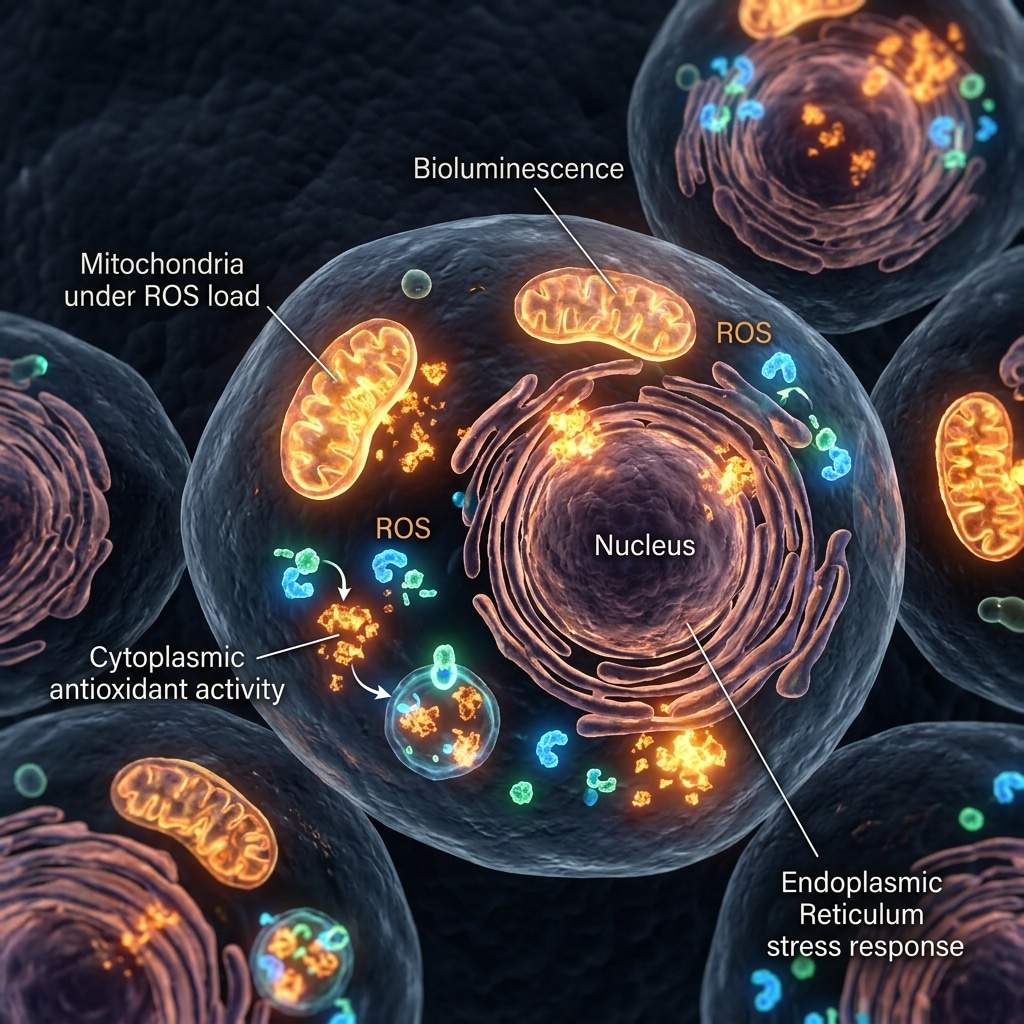
This article bridges general understanding with advanced cellular biology to explain why toxins can hinder optimal metabolic function, revealing how disruptions at the cellular level can create persistent barriers to your body's natural balance.
The Microscopic Environment: What is Cellular Toxicity?
Cellular toxicity is the detrimental impact of foreign or harmful substances on fundamental cell function. It is a chronic state where cellular processes are slowed down, which may significantly hinder metabolic processes and long-term vitality.
True toxicity extends beyond the surface. It includes persistent cellular stress, oxidative damage, and ongoing imbalance. When cells are overwhelmed, they struggle to efficiently produce energy or metabolize fat, leading to a biological gridlock. Exploring options like body balancing drops can be one way individuals seek to support their body's natural homeostasis during this process.
- Environmental: Persistent Organic Pollutants (POPs) and heavy metals that accumulate in tissues.
- Dietary: Pesticides, artificial additives, and microplastics found in processed foods.
- Endogenous: Metabolic byproducts that are not efficiently cleared by the body.
The Mechanisms: How Toxins Affect Metabolic Processes
"Cellular toxins impair mitochondrial function, reduce ATP production, and shift metabolism. This effectively creates functional plateaus that standard calorie restriction may not easily resolve."
The Research TeamMetabolic Disruption and Oxidative Stress
Toxins contribute directly to cellular imbalance. Adipocytes (fat cells) can become resistant to releasing stored energy as the body holds onto fat to sequester lipophilic toxins away from vital organs. Research published in PubMed Central indicates that oxidative stress plays a significant role in metabolic aging and the disruption of normal cellular processes, highlighting the importance of antioxidant support.
Hormonal Havoc
Endocrine-disrupting chemicals (EDCs) interfere with natural hormone production and sensitivity, slowing your resting metabolic rate. They also contribute to leptin resistance, which masks satiety signals and keeps the body in a perpetual state of hunger.
Strategies for Mitigation & Support
Mitigating cellular toxicity requires a multi-faceted approach. It is not about a quick cleanse, but rather a long-term commitment to reducing exposure and supporting the body's natural detoxification pathways. Addressing how stress affects metabolism is also crucial, as elevated cortisol can compound cellular stress.
Phytonutrients
Prioritize whole foods rich in antioxidants to neutralize oxidative stress and support cellular health.
Lymphatic Health
Regular movement and stretching to encourage the natural drainage of metabolic waste.
Targeted Support
Utilizing high-quality cellular nutrition, such as a renew supplement, designed to work with physiological processes.
Sleep Hygiene
Prioritizing the glymphatic system's nightly cleaning cycle through restorative deep sleep.

Advanced Clinical Solutions
For those seeking a structured approach, focusing on deep cellular restoration is key. Consistent hydration, proper mineral balance, and removing inflammatory foods create the environment your cells need to thrive.

Frequently Asked Questions
What is cellular toxicity and how does it relate to weight management?
Cellular toxicity occurs when harmful substances, such as environmental pollutants or metabolic waste, accumulate and interfere with normal cell function. This burden can impair your mitochondria's ability to produce energy and metabolize fat efficiently, potentially creating a significant barrier to maintaining a healthy weight.
How do environmental toxins affect my metabolism?
Endocrine-disrupting chemicals (EDCs) and persistent organic pollutants can interfere with your body's hormonal signaling. These substances may disrupt thyroid function, which regulates metabolic speed, and contribute to leptin resistance, making it harder for your body to recognize when it is full.
Can oxidative stress make it harder to lose fat?
Yes, ongoing oxidative stress creates an environment of systemic imbalance. When cells are constantly fighting oxidative damage, they may prioritize protection and storage over energy expenditure and fat oxidation, slowing down the natural metabolic rate.
What natural steps can I take to support cellular detoxification?
Supporting your body's natural clearance pathways involves a multifaceted approach. Focus on consuming antioxidant-rich phytonutrients, staying properly hydrated, engaging in regular physical movement to support lymphatic drainage, and prioritizing high-quality sleep for glymphatic system recovery.
How does deep sleep contribute to cellular health?
During deep sleep, your brain's glymphatic system becomes highly active, essentially washing away metabolic waste accumulated during the day. Consistent, restorative sleep is crucial for overall cellular repair, hormonal balance, and maintaining an efficient metabolism.
Disclaimer: These statements have not been evaluated by the Food and Drug Administration. This product is not intended to diagnose, treat, cure, or prevent any disease.